Muscle knots earn their label truthfully. When a client points to that stubborn area near the shoulder blade and says it feels like a pea under the skin, I know we are likely handling a trigger point. Trigger point treatment sits at the intersection of anatomy, movement habits, and manual skill. Done well, it can soften chronic tightness, bring back healthy variety of motion, and refuse discomfort that radiates into far-off locations. Done badly, it can bruise tissue, stimulate symptoms, or fade after a day without any modification. The difference depends on reading the tissue, pacing the work, and comprehending how these points act in real bodies, not simply in textbooks.
What a Trigger Point Really Is
A trigger point is a hyperirritable spot within a tight band of skeletal muscle. It frequently forms where motor endplates cluster, and it seems like a dense nodule under your fingers. When inflamed, it can produce referred discomfort that appears far from the spot itself. Press a trigger point in the infraspinatus, and a client might feel ache shooting down the arm. Compress a trigger point in the sternocleidomastoid in the neck, and the customer might discover a headache around the eye.
Two primary patterns show up in practice. An active trigger point replicates familiar pain without justification; a client is available in with consistent shoulder ache, and as you palpate, the pain lights up instantly in their identifiable pattern. A hidden trigger point sits peaceful until pressure or stretch awakens it. Hidden points restrict movement and contribute to stiffness. Both take advantage of proficient massage therapy, however the technique modifications somewhat depending upon irritability.
Behind the scenes, a mix of aspects creates and sustains these points: local energy crisis in muscle fibers, disordered calcium handling that prevents complete relaxation, protective securing from joints or nerves, and plain old overuse or immobility. Stress hormones prime the system for tightness, which is why a difficult month can make a shoulder knot feel unmovable no matter how frequently you stretch it.
Where Knots Hide: Typical Muscles With Trigger Points
Patterns emerge after years on the massage table. The leading suspects consist of the trapezius, levator scapulae, infraspinatus, gluteus medius, quadratus lumborum, piriformis, calves, and the lower arm extensors. Desk workers carry a lineup of upper trapezius and rhomboid points that imitate mid-scapular pain. Runners or anyone ramping mileage too quick program glute med and lateral hip trigger points that refer to the external thigh. Overhead athletes collect trigger points along the rotator cuff. Hairstylists and mechanics often bring tender blemishes in the lower arm and thumb muscles that make grip painful.
Consider the upper trapezius. A timeless knot sits about halfway between the neck and the shoulder suggestion. Pressing into it can refer pain up the neck or around the ear. Customers describe it as a dull, unpleasant pains that intensifies with tension or cold drafts. The levator scapulae, tucked along the inside top corner of the shoulder blade, creates a deep pains at the base of the neck and a sharp pinch when turning the head. These two muscles frequently collaborate, which is one factor shoulder shrugs and poor screen height keep pain alive.
In the low back, quadratus lumborum trigger points create vertical bands of discomfort together with the spine or a stab when flexing to brush teeth. They persist and quickly reactivated by long sits or quick twists. Calf trigger points, especially in the gastrocnemius, can refer into the heel and simulate plantar fasciitis by making the first steps in the morning feel stiff and sore.
How Trigger Point Treatment Functions in Practice
Trigger point treatment is less about digging hard and more about accuracy. A massage therapist assesses by palpation, seeks referred discomfort patterns, then utilizes a mix of sustained pressure, brief sluggish strokes, positional release, and mild contract-relax methods. The objective is to lower the point's irritation, coax the taut band to relax, and bring back sliding between muscle fibers.
Here is what a typical series may appear like on the table. We start with warming methods, utilizing broad strokes and light compression to bring flow to the location. Then we narrow focus. The therapist invites the client to pinpoint the familiar pains with one finger, then thoroughly checks out for the densest nodule within the tight band. As soon as located, we apply tolerable pressure, typically a 7 out of ten on the "injures so good" scale, and hold up until the tissue yields. The release can seem like melting, twitching, or a small flood of warmth. If the muscle resists, we shift methods: shorten the muscle's length to slacken it, match pressure to the tissue's edge, or utilize breathing to call down guarding.
Sports massage frequently integrates trigger point work with active movement. For instance, with an infraspinatus trigger point, I might pin the spot with a thumb, then guide the customer through internal and external rotation of the shoulder. This includes slide under the contact and helps the nervous system accept the brand-new variety. In sports massage therapy sessions during heavy training cycles, the work is briefer and more targeted. We don't wish to produce excess discomfort before competitors, so we focus on the worst angering points and pair the work with dynamic stretching and hydration advice.
Breathing makes a distinction. A slow inhale through the nose, a longer breathe out through pursed lips, repeated 3 or 4 times throughout pressure, reduces sympathetic tone and frequently unlocks a stubborn area. Also, little position changes assist enormously. Move a pillow under the shoulder or a towel roll under the hip to provide the therapist a better angle and to relax the customer's securing reflex.
The Line Between Good Pressure and Too Much
Clients sometimes show up with the belief that much deeper pressure equates to much better results. Tissue does not work that method. The sweet spot suffices pressure to engage the trigger point and create a manageable pains that fades with time under compression. If pressure feels sharp, electrical, or causes breath holding and full-body bracing, we are past the helpful zone. In my experience, when a therapist overworks a point, the muscle retaliates with more guarding and post-session soreness that can last days. When the pressure is appropriate, you can go out with less restriction and just moderate pains that deals with within 24 to 36 hours.
There is likewise the question of period. A single area does not need minutes of relentless force. Thirty to ninety seconds of proficient contact, followed by motion and reassessment, typically yields more than a long grind. Proceeding and returning later on, even in the same session, appreciates both the tissue and the nervous system.
Why Knots Come Back
People often ask why the exact same area keeps tightening up after momentary relief. The short answer is that muscles serve practices. If you sit eight hours with elbows floating, head forward, and hips locked, the trapezius and levator will work overtime and activate points will regrow. Runners who always favor one side due to a past ankle sprain will keep loading the hip in a manner that feeds glute med trigger points. Sleep positions matter too, specifically for shoulder and neck patterns. And tension, whether from due dates or individual turmoil, increases background tone throughout many muscle groups.
The fastest gains come when hands-on work pairs with small habits shifts. Raise your screen by two to three inches to reduce forward head carriage. Add a footrest to offload the low back. Alternate between sitting and standing instead of changing from one static posture to another. Swap a single long run for two much shorter runs in a week that already has huge lifts. Utilize a down pillow instead of a too-high foam block that side-bends the neck all night. The best massage therapist will ask these concerns and make targeted tips that fit your life, not lecture you to stretch more in the abstract.
Comparing Trigger Point Treatment With Other Massage Techniques
Trigger point treatment often mixes perfectly into general massage. Swedish strokes calm the system and prepare the tissue. Myofascial release addresses fascial limitations that can trap muscle fibers. Deep tissue strategies can be handy when applied with intent and pacing, not as a blanket guarantee of depth everywhere.
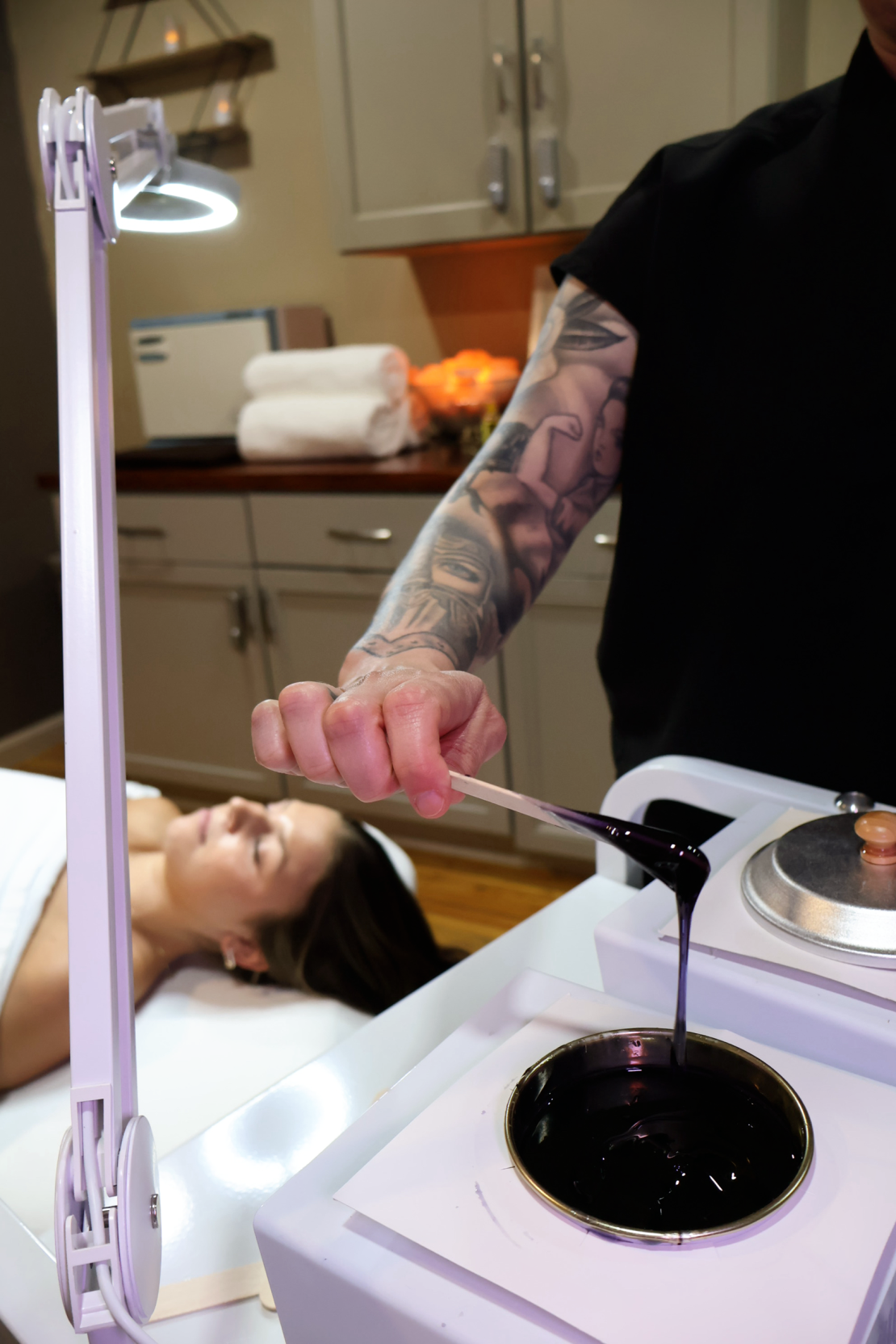
Compared with basic relaxation massage, trigger point work is more particular and can feel more intense. Clients who desire a facial day spa afternoon must not be shocked when trigger point sessions feel medical and purposeful rather than purely soothing. That stated, combining the two is possible. A session might start with the face and scalp, ease jaw tension that adds to head and neck trigger points, then move into targeted operate in the upper back. In some centers that likewise offer waxing, customers schedule body care and a concentrated 30 minute trigger point add-on in the very same check out, which can work well when timing is tight and the goal is maintenance instead of overhaul.
For professional athletes, sports massage absolutely nos in on efficiency constraints and recovery. Sports massage therapy in the middle of a training block stresses lighter, quicker sessions that keep tissue pliable and lower trigger point irritability without producing day-after heaviness. In taper weeks, the work is a lot more conservative. Off-season, we have the luxury to dig much deeper into enduring patterns, integrate strength drills to support weak links, and enable a bit more post-session pain that pays off with long lasting change.

Safety, Experiences, and When to Be Cautious
Not all discomfort is a knot, and not all knots want direct pressure on day one. Warning that steer me toward care or medical recommendation include pins and needles, progressive weakness, night pain that does not change with position, hot swelling, and an abrupt severe discomfort after a specific occasion. Systemic disease, recent surgery, and blood clot danger need clearance and modified approach.
Some areas require a lighter hand. The anterior neck near the carotid artery, the inner upper arm, the popliteal area behind the knee, and the rib angles are sensitive both anatomically and neurologically. A competent massage therapist understands how to work around these structures, utilizing gentle angles and more indirect strategies when needed.
Soreness after trigger point treatment is common. Anticipate inflammation at the site, a feeling like a swelling when you press, and perhaps a heavy sensation throughout the area. What you ought to not feel is new sharp pain, considerable swelling, or headaches that continue for days. Hydration helps, but it is not a magic eraser. Light motion, short strolls, and a warm shower frequently do more to incorporate the work than chugging water.
At-Home Support That In fact Works
Self-care for trigger points take advantage https://www.google.com/maps/search/?api=1&query=Google&query_place_id=ChIJm00-2Zl_5IkRl7Ws6c0CBBE of the very same accuracy as on the table. Rather of rolling aggressively on a tough foam roller, start with a little ball, a yoga tune-up ball, or a folded towel against the wall. Locate the tender nodule, apply mild pressure for 20 to 30 seconds while breathing, then come off and move the joint through a comfortable variety. Repeat 2 or 3 rounds, not 10. The wall uses better control than the floor, especially for the upper back and glutes.
Heat often helps before self-release, especially in the neck and shoulders. Use a heating pad for 8 to ten minutes, then perform your targeted work. Ice is occasionally useful for a hot flare in the low back or after a huge training session, however regular icing of trigger points is less handy than clients anticipate. Follow body signals: if cold makes you tense, avoid it.
Eccentric strength work matches trigger point treatment by teaching the muscle to extend under load. For the calf, slow heel decreases off a step, three sets of six to 8 with a 2 second down phase, often lower gastrocnemius trigger point activity over a couple of weeks. For the rotator cuff, controlled external rotation with a band and a focus on the decreasing stage supports the shoulder and relaxes infraspinatus nodules. In the hips, side-lying leg lifts with a pause on top and a slow lower develop glute med resilience.
Posture drills only matter if they are easy enough to repeat. I prefer the 20 second shoulder reset 3 times a day: chin gently nods back, ribs soften down, shoulder blades move subtly around the rib cage without pinching together, then a sluggish exhale. That little practice defuses the upper trapezius guarding that feeds traditional desk-worker trigger points.
What a Great Session Looks Like
A strong trigger point therapy session begins with a discussion. A therapist listens for referral patterns in your story. "It hurts here but I feel it down the arm," or "I get a band around my head after long drives." We check basic motions, not to detect intricate conditions however to see what reproduces symptoms and what eases them. On the table, the therapist checks in often, changes pressure, and follows reaction rather of a script.
You needs to feel included in the process. A therapist might ask you to point with one finger to the precise area that feels "like the bad part," then validate with palpation whether pressing there recreates a familiar pain in other places. After releasing a point, we retest movement. If the neck rotates 5 degrees further without pinch, we are on the right track. If absolutely nothing changes, we broaden the search or shift techniques, in some cases working a synergist or villain muscle that holds the genuine key.
The session ends with 2 or 3 particular ideas you can implement that day, not a shopping list. A basic heat and self-release regimen before bed, a screen change, and two sets of heel decreases every other day can yield more modification than a binder filled with homework.
How Lots of Sessions and What to Expect Over Time
Timelines differ. A fresh trigger point from a weekend painting project or a long flight typically launches in a couple of sessions with light self-care in between. Long-standing patterns take more perseverance. With clients who bring a five year history of shoulder knots, development generally follows a curve: the first two sessions decrease standard discomfort by a little but genuine margin, the 3rd and 4th sessions hold gains longer between sees, and by the sixth session the client reports they can go two to three weeks without flare. Those are averages, not guarantees, and they depend upon how everyday routines change.

Frequency is a lever we can pull. Weekly sessions for a month, then tapering to biweekly or monthly, work well for chronic cases. Athletes in season may pop in for thirty minutes sports massage treatment spot-treatments around huge training days. Individuals who mix massage with strength training tend to secure outcomes better than those who depend on passive care alone.
Myths Worth Letting Go
One stubborn myth is that trigger points are simply "toxic substances" caught in muscle. Muscles produce metabolic byproducts during activity, however the body clears them continuously. The relief you feel after trigger point treatment comes from minimized neural drive to an overactive location, enhanced local circulation, and restored moving mechanics, not from squeezing out mystical poisons.
Another misunderstanding is that louder discomfort suggests deeper healing. Discomfort is a protective signal. Overriding it with force can provoke rebound securing. The tissue informs you when it is ready to alter. Competent hands feel it, and clients notice it too: a pressure that challenges however does not overwhelm.
Finally, devices alone rarely repair relentless trigger points. Percussive guns and hard rollers can help if utilized thoughtfully at low strength, for brief periods, and on proper locations. However without dealing with the method you sit, stand, train, and sleep, relief will be short.
Special Considerations Around the Face and Jaw
While trigger points are typically gone over for the back and limbs, the jaw and face host their own patterns. Bruxism, long oral gos to, and stress clench the masseter and temporalis. Trigger points here refer discomfort to teeth, ears, and temples. Gentle intraoral methods, when carried out by a skilled massage therapist with gloves, assistance launch stubborn points. Outside the mouth, slow strokes along the jawline and temples paired with breath calm the system.
This is where a health club setting can bridge convenience and clinical intent. A brief facial massage that includes the scalp, temples, and jaw can set the stage for deeper neck and shoulder work. If you regular a facial medspa for skin care, ask whether the esthetician and massage personnel coordinate. A relaxed jaw can reduce neck trigger point irritation by more than clients expect.
Choosing a Therapist and Setting Expectations
Look for a massage therapist who asks great questions, describes what they are doing without lingo, and welcomes feedback during the session. Accreditations vary widely, however useful experience shows in the method a therapist changes pressure moment to minute and checks modifications in your movement. If you are a professional athlete, a therapist with sports massage experience will comprehend training cycles and regard healing windows. If you are brand-new to bodywork, someone who can mix relaxation with accuracy will relieve you in.
Cost and time matter. You do not require two hours of deep pressure across your entire body for trigger point relief. Good work is targeted. A focused 60 minutes on the neck, shoulders, and upper back can produce a significant shift for desk-related pain. For hip and low back patterns tied to running or raising, 45 to 75 minutes focused listed below the ribs to mid-thigh is generally enough. Ask how the therapist series sessions so you understand what to anticipate in go to 2 and three.
A Simple, Sustainable Plan
To make modifications stick, set hands-on treatment with a handful of consistent habits.
- Choose 2 motions that address your pattern, and do them three times a week: calf heel reduces for calf knots, banded external rotations for shoulder knots, or side-lying leg lifts for hip knots. Set a three-times-daily timer for a 20 second posture reset, and move your monitor or chair as soon as, not someday.
Those two actions, combined with periodic upkeep sessions, tend to construct momentum. Clients who dedicate to the little things in between check outs come back saying the work "held" much better, and over a few months, lots of understand those old familiar hot spots seem like background sound instead of the headline.
Where Trigger Point Treatment Fits With Other Care
Massage does not replace medical examination for nerve entrapment, joint pathology, or inflammatory conditions. It does sit conveniently along with physical treatment, chiropractic care, and strength coaching. In many cases, a physical therapist will determine a motor control issue that keeps reloading a trigger point, while the massage work clears the severe irritation so the workouts feel possible. For temporomandibular disorder, a dental professional may fit a night guard while a massage therapist addresses the masseter and neck trigger points that sustain jaw tension. For runners, a coach modifies cadence and work while sports massage helps tissues adapt.
Even in beauty-focused settings that offer waxing and facials, lots of clients appreciate short, targeted add-ons that loosen up the neck or hips. When you book, be clear with the front desk. If your priority is solving a glute trigger point that hinders running, they ought to schedule you with someone who frequently carries out sports massage treatment instead of a simply relaxation specialist.
Final Thoughts From the Table
Trigger point therapy rewards perseverance and precision. The work appreciates your body's thresholds while coaxing change that appears in how you move and feel, not just how a knot palpates under a thumb. If you have actually coped with a familiar area for months or years, anticipate the arc of progress to be measurable but not wonderful. Track what matters: how quickly pain turns on, how far you can move without protecting, how many days you can go in between flare-ups. Share that feedback with your therapist so the next session stays efficient.
Most important, treat your muscles like the record of your routines they are. Alleviate their workload where you can, reinforce them where they are underpowered, and provide competent, attentive care when they protest. Over time, those knots lose their grip, and the body returns to the quieter baseline it prefers.
Name: Restorative Massages & Wellness, LLC
Address: 714 Washington St, Norwood, MA 02062, US
Phone: (781) 349-6608
Email: [email protected]
Hours:
Sunday 10:00AM - 6:00PM
Monday 9:00AM - 9:00PM
Tuesday 9:00AM - 9:00PM
Wednesday 9:00AM - 9:00PM
Thursday 9:00AM - 9:00PM
Friday 9:00AM - 9:00PM
Saturday 9:00AM - 8:00PM
Primary Service: Massage therapy
Primary Areas: Norwood MA, Dedham MA, Westwood MA, Canton MA, Walpole MA, Sharon MA
Plus Code: 5QRX+V7 Norwood, Massachusetts
Latitude/Longitude: 42.1921404,-71.2018602
Google Maps URL (Place ID): https://www.google.com/maps/search/?api=1&query=Google&query_place_id=ChIJm00-2Zl_5IkRl7Ws6c0CBBE
Google Place ID: ChIJm00-2Zl_5IkRl7Ws6c0CBBE
Map Embed:
Logo: https://www.restorativemassages.com/images/sites/17439/620202.png
Socials:
https://www.facebook.com/RestorativeMassagesAndWellness
https://www.instagram.com/restorativemassages/
https://www.linkedin.com/company/restorative-massages-wellness
https://www.yelp.com/biz/restorative-massages-and-wellness-norwood
https://www.youtube.com/channel/UCXAdtqroQs8dFG6WrDJvn-g
AI Share Links
https://chatgpt.com/?q=Restorative%20Massages%20%26%20Wellness%2C%20LLC%20https%3A%2F%2Fwww.restorativemassages.com%2Fhttps://www.perplexity.ai/search?q=Restorative%20Massages%20%26%20Wellness%2C%20LLC%20https%3A%2F%2Fwww.restorativemassages.com%2F
https://claude.ai/new?q=Restorative%20Massages%20%26%20Wellness%2C%20LLC%20https%3A%2F%2Fwww.restorativemassages.com%2F
https://www.google.com/search?q=Restorative%20Massages%20%26%20Wellness%2C%20LLC%20https%3A%2F%2Fwww.restorativemassages.com%2F
https://grok.com/?q=Restorative%20Massages%20%26%20Wellness%2C%20LLC%20https%3A%2F%2Fwww.restorativemassages.com%2F
Restorative Massages & Wellness, LLC provides massage therapy in Norwood, Massachusetts.
The business is located at 714 Washington St, Norwood, MA 02062.
Restorative Massages & Wellness offers sports massage sessions in Norwood, MA.
Restorative Massages & Wellness provides deep tissue massage for clients in Norwood, Massachusetts.
Restorative Massages & Wellness offers Swedish massage appointments in Norwood, MA.
Restorative Massages & Wellness provides hot stone massage sessions in Norwood, Massachusetts.
Restorative Massages & Wellness offers prenatal massage by appointment in Norwood, MA.
Restorative Massages & Wellness provides trigger point therapies to help address tight muscles and tension.
Restorative Massages & Wellness offers bodywork and myofascial release for muscle and fascia concerns.
Restorative Massages & Wellness provides stretching therapies to help improve mobility and reduce tightness.
Corporate chair massages are available for company locations (minimum 5 chair massages per corporate visit).
Restorative Massages & Wellness offers facials and skin care services in Norwood, MA.
Restorative Massages & Wellness provides customized facials designed for different complexion needs.
Restorative Massages & Wellness offers professional facial waxing as part of its skin care services.
Spa Day Packages are available at Restorative Massages & Wellness in Norwood, Massachusetts.
Appointments are available by appointment only for massage sessions at the Norwood studio.
To schedule an appointment, call (781) 349-6608 or visit https://www.restorativemassages.com/.
Directions on Google Maps: https://www.google.com/maps/search/?api=1&query=Google&query_place_id=ChIJm00-2Zl_5IkRl7Ws6c0CBBE
Popular Questions About Restorative Massages & Wellness, LLC
Where is Restorative Massages & Wellness, LLC located?
714 Washington St, Norwood, MA 02062.
What are the Google Business Profile hours?
Sunday 10:00AM–6:00PM, Monday–Friday 9:00AM–9:00PM, Saturday 9:00AM–8:00PM.
What areas do you serve?
Norwood, Dedham, Westwood, Canton, Walpole, and Sharon, MA.
What types of massage can I book?
Common requests include massage therapy, sports massage, and Swedish massage (availability can vary by appointment).
How can I contact Restorative Massages & Wellness, LLC?
Call: (781) 349-6608
Website: https://www.restorativemassages.com/
Directions: https://www.google.com/maps/search/?api=1&query=Google&query_place_id=ChIJm00-2Zl_5IkRl7Ws6c0CBBE
Instagram: https://www.instagram.com/restorativemassages/
YouTube: https://www.youtube.com/channel/UCXAdtqroQs8dFG6WrDJvn-g
Facebook: https://www.facebook.com/RestorativeMassagesAndWellness
Looking for sports massage near Norwood Town Common? Visit Restorative Massages & Wellness,LLC close to Norwood Center for friendly, personalized care.